Blog
Tutorials, news and AI image generation insights from the SlyGen team.
Adult Camera Dictionary: 40 Ready-Made Shots
A dictionary of camera shots for adult generations in neural networks. 40 ready-made options for angles, heights, and camera movements in Russian and English. Breakdown of the perfect prompt structure using BREAK and a checklist for creating sensual and realistic frames without plastic gloss.
30 Ideas for Erotic Videos
How to bring photos to life in SLYGEN: 30 ready-made prompts for creating realistic erotic videos. Movement ideas, angles, and tips for animating the face, body, and clothing.

7 Mistakes in AI Porn (and Why It Comes Out Like "Plasticine")
AI porn promises the perfect shot — but delivers crooked limbs and "plasticine." Often, the culprit isn't the generator, but a vague prompt. We break down why scenes break and how to get a lifelike result in SlyGen: from photo to short video with sound.
How to Generate Top-Tier NSFW Videos in SLYGEN
A complete manual on prompts, frame structure, sound design, and lip-sync animation. Learn to write proper queries without slang or profanity for stable NSFW clips free of artifacts.
Dictionary of Passion: 50+ NSFW Generation Terms
We've gathered 50+ secret English terms for neural networks that help convey live facial expressions, physiology, wet effects, and perfect curves. Copy ready-made prompt combinations and create anatomically accurate NSFW content in SLYGEN on the first try
4 Secrets to Creating Hot and Realistic NSFW
Secrets of realistic AI porn in SLYGEN: create hot and lively NSFW content on the first try. Ready-to-use prompt examples inside
Undress Hardcore: Taming Oversize and Corsets
Forget about easy tasks — it's time for hardcore. We explain how Undress functions handle oversize and layered looks. We analyze why AI confuses fabric volume with the body and show simple techniques to maintain accurate body proportions in any photo.
Best Poses and Angles for Image-to-Video
How to choose a pose and angle for image-to-video so the face remains stable and movements look truly natural? A guide with examples and lifehacks for bringing photos to life in adult AI generators.
How to Animate a Photo in SlyGen: What Works and What Breaks the Animation
How to animate a photo in SlyGen: which shots yield smooth animation and which break the result. We break down source images, prompts, and camera movements to get predictable video instead of random outcomes.
Wasting Coins? 8 Mistakes That 'Eat' Your Results and How to Fix Them
Analysis of common mistakes when working with SLYGEN that reduce generation quality and increase coin consumption. The material explains how to improve prompt structure, source images, and the approach to creating queries to achieve more stable and predictable results.
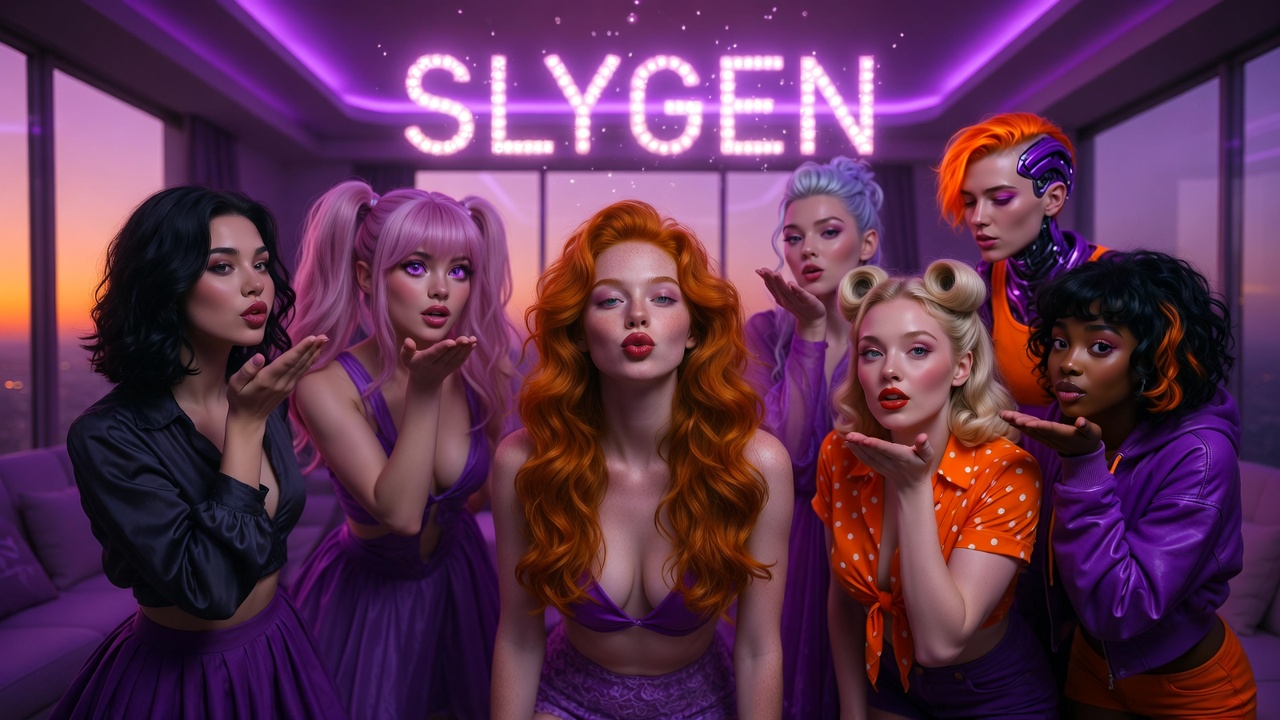
Style Logic in SLYGEN: How the Same Idea Becomes Different Visual Realities
Breakdown of SLYGEN styles and their impact on image perception: realism, anime, hentai, cartoon, cyberpunk, pinup, and fantasy. How a single prompt changes the result, amplifies emotions, and shapes different visual and psychological perceptions in AI image generation.
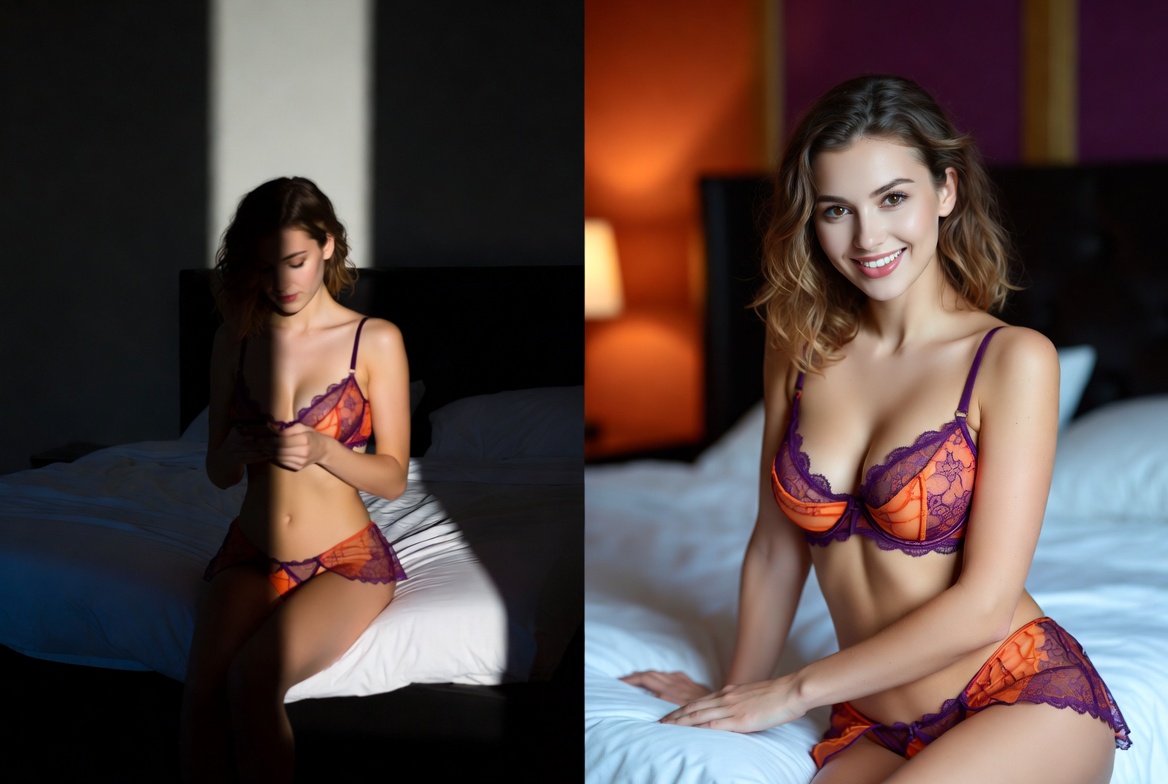
How to Choose a Photo for AI Animation: A Detailed Guide for Realistic Results
How to properly select photos for AI animation and video generation to maintain maximum facial similarity and achieve stable results. Key factors are analyzed: angle, lighting, image quality, and face size in the frame, as well as why neural networks distort faces with poor source material.
Breasts for Every Taste in SlyGen: How to Craft Prompts for Precise Results
How to write prompts in SlyGen and other AI image generators to control breast shape, proportions, and textures in neural network outputs. Explains how query structure, tag order, lighting, and style influence whether breasts appear small, natural, or more pronounced, and how to avoid "averaged" forms in AI image generation.
Realistic AI Adult Content: How the NSFW Generator Works
AI has stopped being a 'picture generation toy' and has become a tool where the result depends not on the neural network itself, but on how accurately a person can describe the scene they need. Instead of searching for ready-made content, a new model emerges — creating a personal visual experience through simple text prompts, where the key role is played by description structure, lighting, style, and composition.
AI-Powered NSFW Anime Generator in SLYGEN
NSFW anime generation with AI isn't "neural network magic" but rather working with prompts and visual logic. We break down how generation works, why prompt structure matters, which errors break the result, and how to create stable anime images in diffusion models.