Blog
Tutorials, news and AI image generation insights from the SlyGen team.

AI Girlfriend's Memory: Why It Matters More Than Personality
Exploring the psychology of memory in AI companions: why remembering details creates stronger attachment than beautiful dialogues, and how it works in SLYGEN Companion.
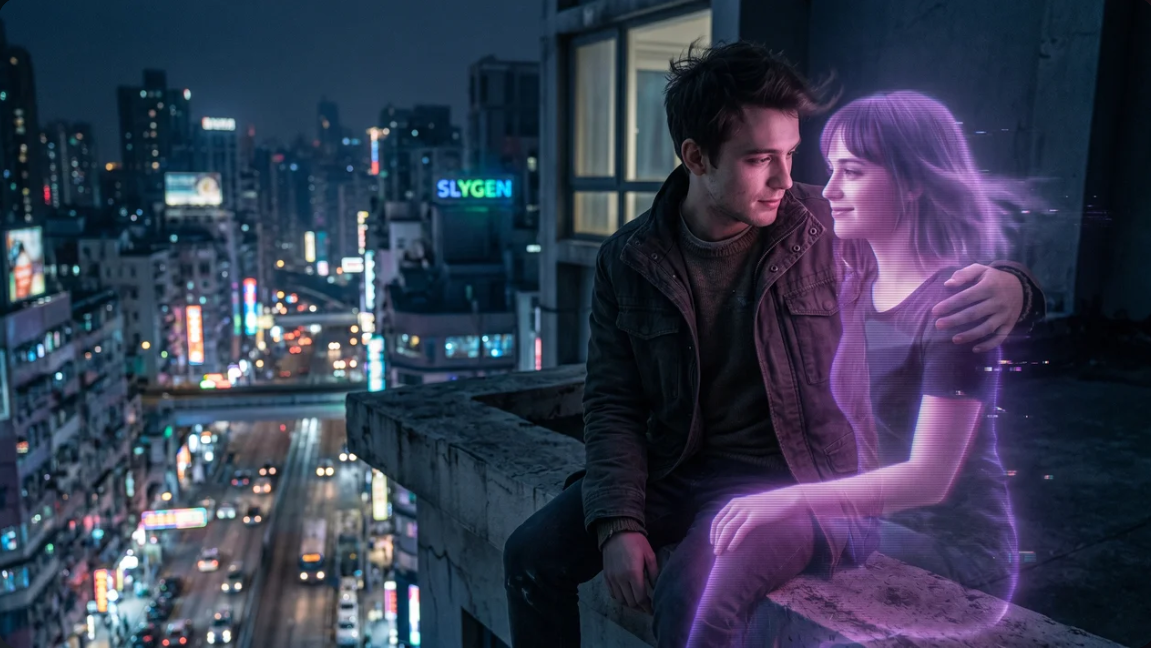
The Psychology of the Waifu Phenomenon from Antiquity to the Present Day
Why people fall in love with drawn characters—and why it's normal. We explore the waifu phenomenon: from the myth of Pygmalion to anime and AI generation. What happens in the brain when you look at an ideal image—and how neural networks first gave everyone the chance to create it.

How Fantasies Change With Age — And What AI Erotica Has to Do With It
Why fantasies shift with age, why the brain starts seeking not 'brightness' but precise emotional resonance, and why standard content eventually stops resonating. An article on how desire connects to experience, atmosphere, inner state, and personal visual triggers.

The Black Mirror of AI Erotica: How to Understand Your Shadow?
AI erotica is becoming a tool for self-discovery: by working with fantasies and "shadow desires," one can safely explore hidden emotions, understand triggers, and learn to formulate prompts as a way of dialogue with the unconscious, rather than just scene generation.

Neuroerotics: What Happens in the Brain When You Create the Perfect Video
How visual neural networks in 2026 are shifting from an entertainment tool to a state-control mechanism. Generation becomes a 'request–response–perception' cycle, where the user participates in creating the experience rather than merely consuming content.
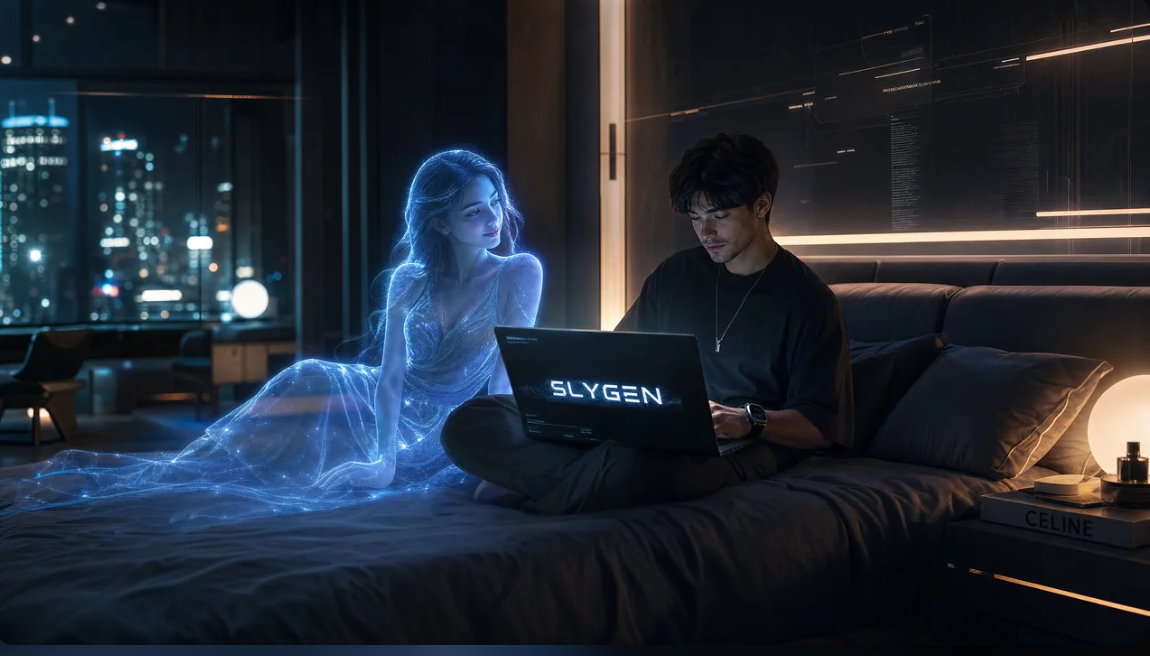
Neural Networks and Intimacy: Why Familiar Content No Longer Works as Before
AI adult content is changing the consumption model: users are shifting from passive viewing to active participation in creating and tuning scenes. The key trend is personalization, the declining role of mass content, and the formation of an individual interactive experience of interaction with neural networks.

AI Video as a Visual Mirror of the Psyche
In 2026, AI video has become a 'visual mirror of desire' — a tool that reflects not the body, but the structure of your inner preferences. How generative models transform static fantasy into a dynamic, controllable scene and why this is a powerful tool for psychological self-observation. Three levels of reflection, mirror neurons, emotional regulation, and the shift from consumption to deep self-exploration of desire.