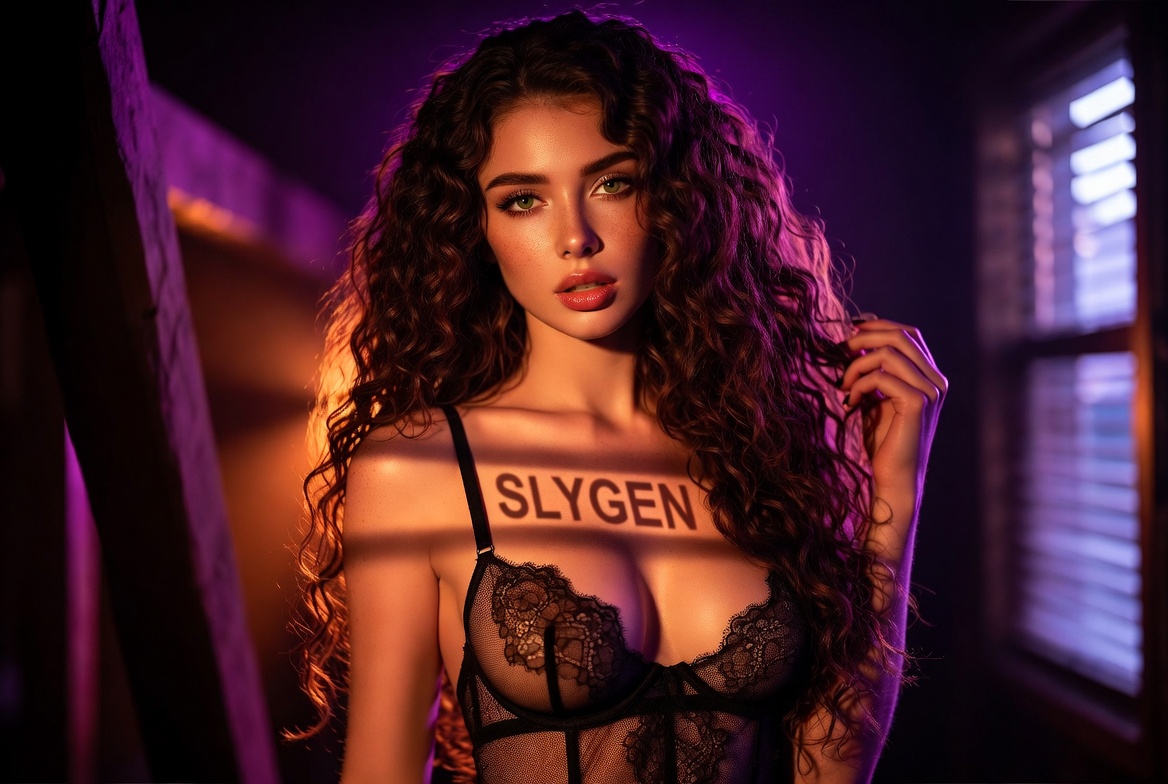
There is a strange phenomenon that many notice but rarely articulate. Write "cinematic lighting" in a prompt, and the image instantly looks more expensive. Deeper. More atmospheric. As if it weren't a random shot, but a still from a big-budget film. And this isn't due to neural network magic. The AI simply borrowed the visual language that cinema developed over nearly a century.
Moreover, it all started not in Hollywood.
The Light That Invented Drama
In the 17th century, Caravaggio did something that then seemed almost provocative. Instead of the even lighting to which painting was accustomed, he began literally carving figures out of darkness with a single light source. The face is illuminated; everything else plunges into black. A hand emerges from the shadow. The gaze clings to the bright spot and cannot look away.
For viewers of that time, this was almost a shock. Paintings ceased to be "beautiful images" and began to feel like scenes from life, overheard in the dark.
Later, this technique would be called chiaroscuro—a sharp contrast of light and shadow. But more importantly, it was then that light first became not a technical necessity, but a way to evoke emotion.
Cinema later simply inherited this principle.
When Shadows Started Telling Stories
In the 1920s, German directors began filming movies where light worked almost like a separate character. In German Expressionism, shadows were longer than people, rooms looked unsettling, and lighting reflected not reality, but the hero's inner state.
Then this aesthetic reached Hollywood. And it was there that the main discovery happened: the viewer reads light faster than the plot.
A person might not yet understand what is happening in the scene, but the brain already reacts to the lighting. A dark room with a single light source automatically creates tension. Soft warm light creates a sense of security. A rim-lit silhouette suggests mystery. This works almost on a reflex level.
Hitchcock understood this perfectly. In his films, light constantly warns the viewer before the script does. You haven't seen the threat yet, but you already feel anxiety because half of the hero's face suddenly fell into shadow. It was after Hitchcock that dramatic lighting finally became associated with something important, dangerous, or emotionally charged.
Why "Noir" Still Looks Expensive
Then came noir. Detective stories, cigarette smoke, night streets, rain, blinds on windows. Visually, this was almost a cult of shadows.
Interestingly, many iconic noir scenes appeared not because of luxury, but on the contrary, due to limitations. Cinematographers often worked with a single light source. But it was precisely this that created depth in the frame. Light through blinds, for example, became a classic simply because it was a cheap and effective way to make a scene visually more complex.
And it still works flawlessly.
Try adding to your prompt:
- dramatic noir lighting
- venetian blinds shadows
- single light source
- deep contrast
And the neural network almost instantly begins to compose the frame according to the laws of old cinema. Because it saw thousands of similar scenes during training.
"The Godfather" and the Moment Light Became Psychology
When filming "The Godfather," cinematographer Gordon Willis did something the studio initially considered a mistake. He began lighting characters from above so that their eyes literally plunged into darkness.
Today, this looks iconic. Back then, it seemed too gloomy.
But the effect was incredible. The less the viewer saw of the hero's eyes, the more dangerous they were perceived. Light began to work as a psychological characteristic of the character.
After this, Hollywood finally cemented the visual dictionary:
- top hard light — threat and power;
- soft side light — intimacy;
- rim-lit silhouette — mystery;
- golden hour — vulnerability and beauty;
- diffused light — a sense of calm.
It is precisely this dictionary that neural networks use today.
What Actually Happens in the Prompt
When you write:
"golden hour cinematic lighting"
the neural network isn't thinking about the physics of light. It recalls thousands of frames where such light was already used: expensive commercial shoots, cinema, fashion photography, music videos, art-house films.
Essentially, a prompt is not a technical command. It is a cultural reference.
You aren't telling the model how to place a lamp. You are telling it: "Do it like in films where the viewer must feel warmth, closeness, and the beauty of the moment."
This is why the same scene can look completely different just because of the lighting.
Which Lighting Techniques Work Best
There are several techniques that neural networks understand particularly well because they have been repeated for decades in cinema and photography:
- chiaroscuro lighting — strong contrast of light and shadow;
- Rembrandt lighting — a light triangle on the cheek;
- golden hour — warm sunset light;
- rim light — backlighting along the body's contour;
- noir shadows — deep noir shadows;
- soft cinematic backlight — soft light from behind;
- overhead dramatic light — hard top light;
- volumetric lighting — light passing through smoke or air.
Even a single such specification often changes the image more than a long description of clothing or pose.
Why It's Important to Understand This
Most users try to control the neural network through objects: clothing, body, pose, interior. But the visual impression is almost always created by light. You can make an ordinary room look expensive. An ordinary scene — cinematic. An ordinary photo — emotional.
Because the brain reacts not only to what is in the frame. It reacts to how that frame is lit.
And there is a funny continuity here: every time AI creates an atmospheric cinematic frame, inside it continue to work ideas that were once invented by Caravaggio, German Expressionists, noir cinematographers, and Hitchcock.
Only now, instead of a film set, there is a prompt line.